
The Google Business Profile Completeness Gap: Leaving Leads on the Table
Last updated:
Quick Answer
Verification is now the baseline for local visibility, and most profiles still drift out of date while nobody notices. The gap is created by fields left blank - and it's free to fix.
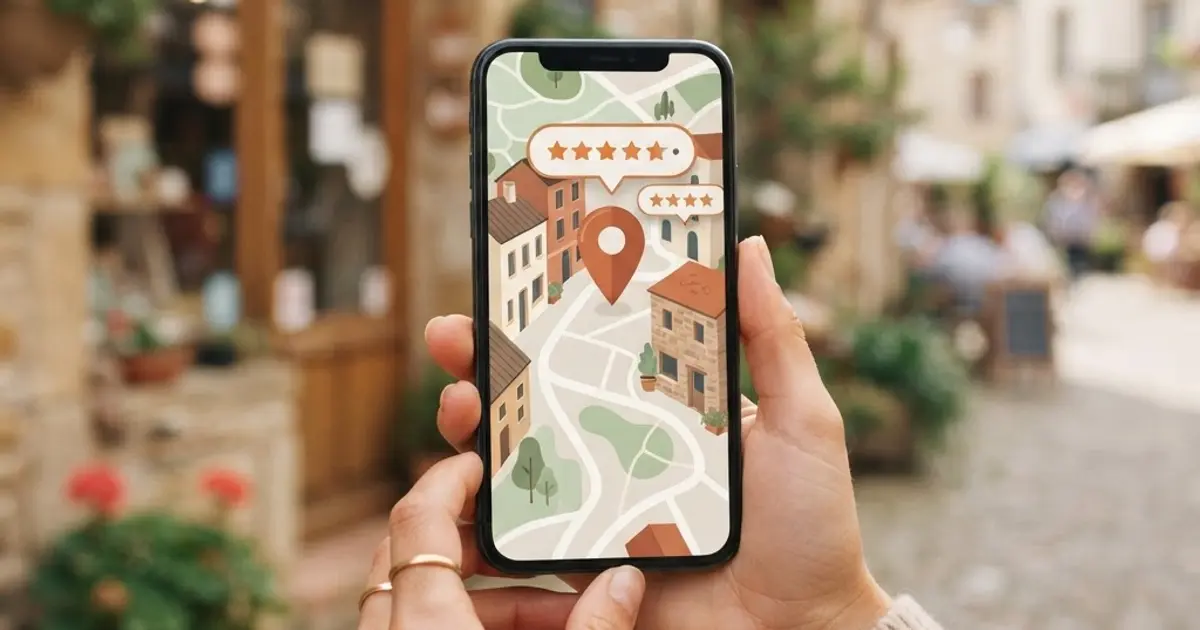
A complete Google Business Profile is one of the cheapest advantages in local marketing - it costs nothing but attention. Yet the data shows a striking number of businesses skip it. Birdeye's State of Google Business Profile report found 76% of businesses verified in 2025, up from 71% in 2024 (Birdeye, 2026) - verification has become the baseline, and the profiles still outside it are the ones that stop appearing in high-intent searches. The rest of the gap is quieter: hours, phone numbers, and addresses change and nobody updates them. That's a large gap created by fields left blank.
Why This Matters Now
For a lot of customers, your Google Business Profile is your homepage now. They search, they see the profile, they call or get directions - often without ever visiting your website. If that profile is thin, wrong, or unverified, you're not making a weak first impression; you're making no impression, because you may not show up at all. And with AI answers leaning heavily on Google Business Profile data for local results, an incomplete profile now hurts you in two places at once.
What the Data Shows
The upside of completeness is well established. A verified, fully built-out profile shows up in more of the searches that matter and turns more of those views into calls, direction requests, and website visits than an incomplete one.
Completeness also tracks with ranking. Look at profile descriptions specifically: the businesses holding the top positions are, over and over, the ones with a full description and every field filled in, while the profiles sitting deeper in the results are the thin ones.
The gaps cluster by industry, too. Some categories have largely caught up on verification while others lag well behind - which, given how competitive the lagging ones are, is a genuine opportunity for any operator willing to do the basics.
What I Make of It
The pattern I see in the field matches the numbers exactly: the businesses that treat their profile as a living asset win, and the ones that "set it and forget it" slowly fade. The most common failure isn't a dramatic mistake. It's neglect - hours that never got updated after a schedule change, a services list that stops at three items, a photo library frozen at the day the profile was created, a Q&A section nobody has ever touched.
None of that is hard to fix. That's what makes the gap frustrating and, for a sharp operator, exploitable. When so many of your competitors have wrong information sitting on their profile, simply being accurate and complete is a competitive edge.
One honest caveat on the numbers: most of the completeness research still circulating gets repeated without re-verification, and the eye-catching multiples are the least reliable part of it. The direction is right, but it deserves a fresh, independent audit - auditing a thousand real profiles in the wild and scoring them field by field is exactly the study I'd run to replace a tired stat with a current one.
What to Do About It
- Verify the profile if you haven't - you can't win the categories where your competitors haven't bothered.
- Fill every field: primary and secondary categories, full services list, accurate hours, service areas, attributes.
- Keep it alive: fresh photos, posts, and answered questions signal an active business.
- Audit quarterly. Hours and phone numbers drift; catch them before a customer does.
Methodology and Sources
This article synthesizes published 2026 Google Business Profile research with LeadValets' client experience. The verification figures are Birdeye's, not our own primary audit; the source is linked where the figure appears and listed below.
Related Reading
Want us to audit your Google Business Profile and show you exactly which gaps are costing you leads?
Founder & President, LeadValets — St. Louis, MO · 10+ years local SEO & AEO
Jonathan Floyd is the founder of LeadValets, a St. Louis-based SEO and AEO agency specializing in local search and AI search optimization for service businesses. His writing covers actionable SEO strategy grounded in real campaign data from competitive markets across the St. Louis metro and beyond.
References
Talk to LeadValets
Keep Reading
Related Articles

What to Post on Google Business Profile for More Calls
Post timely offers, new services, customer testimonials, event updates, and useful photos that show what customers can expect. Make each post specific, include a clear call to action such as “Call now,” and keep your contact details current. Consistent, helpful Google Business Profile posts can build trust and make it easier for nearby customers to choose and contact you.

How Long Does SEO Take for Plumbing & HVAC?
Plumbing and HVAC companies may see early SEO movement in 3–6 months, such as improved rankings and more local visibility. Meaningful increases in qualified calls often take 6–12 months, while competitive markets can take longer. Your timeline depends on your website, competition, service area, and how consistently you invest in local SEO.

Stop Paying Angi HomeAdvisor Leads: What Works
Stop paying for every Angi or HomeAdvisor lead by building a pipeline of direct inquiries through referrals, local search, reviews, and a strong website. Test homeadvisor alternatives and exclusive-lead providers carefully, tracking cost per booked job—not just cost per lead. Keep paid platforms only if they reliably produce profitable work.