
Condition Pages: The Chiropractic SEO Strategy That Targets Patients in Pain and Ready to Book
Quick Answer
Generic 'chiropractic services' pages don't rank and don't convert. Dedicated condition pages targeting specific pain searches are the highest-ROI SEO content a chiropractic practice can build.
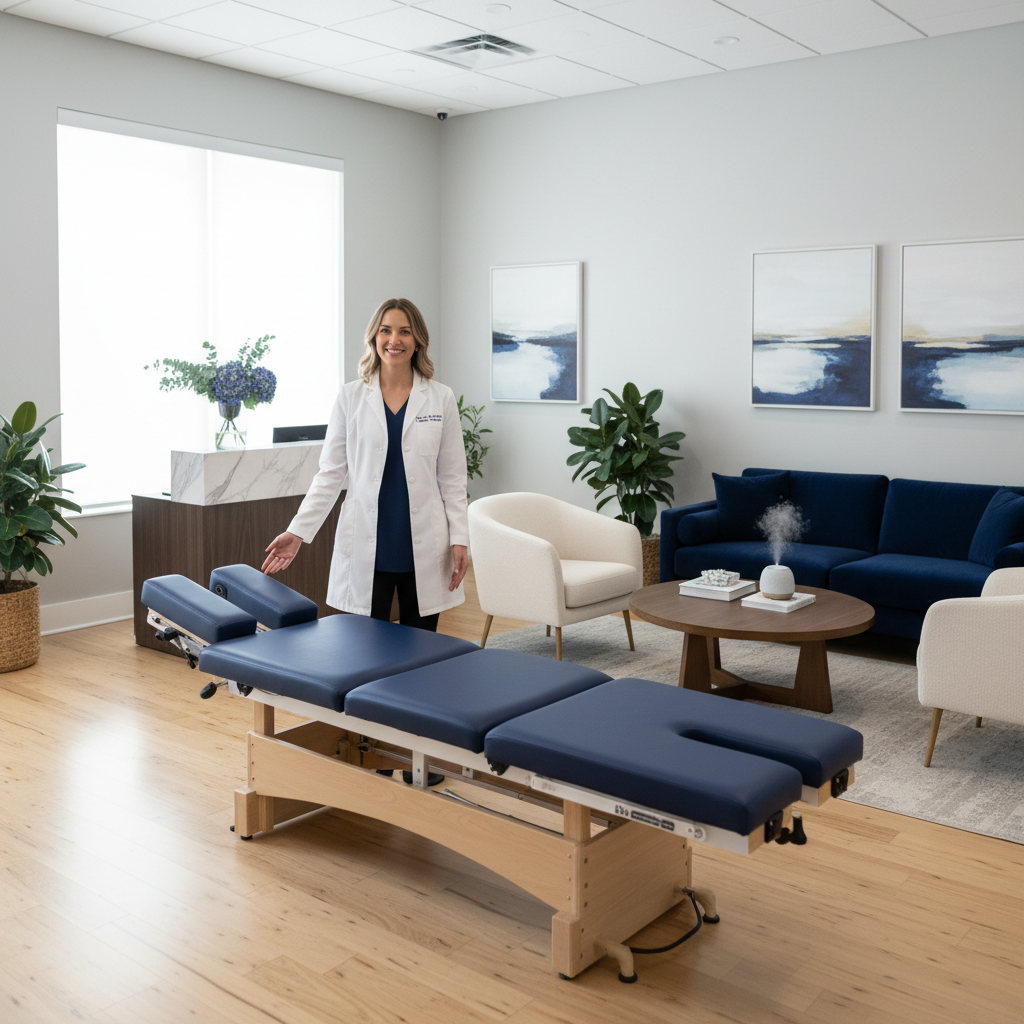
The most valuable chiropractic searches aren't 'chiropractor near me.' They're the condition-specific searches a patient makes when they're actively in pain and looking for a solution. 'Sciatica treatment near me.' 'Chiropractor for lower back pain St. Louis.' 'Neck pain relief that actually works.' These searches have lower volume but dramatically higher conversion rates - the patient isn't browsing, they're in distress and ready to call.
The chiropractic practices that dominate new patient acquisition have one thing most competitors don't: dedicated condition pages for every major complaint they treat. Here's how to build them.
Why Generic Service Pages Don't Work
A single 'Chiropractic Services' page tries to rank for every condition and converts none of them well. Google can't determine which condition the page is most relevant for, so it ranks it weakly for all of them. A patient searching specifically for sciatica relief lands on a generic page and doesn't see their problem addressed prominently - so they leave.
A dedicated sciatica page ranks specifically for sciatica searches, speaks directly to the patient's specific experience, and converts at far higher rates because the patient immediately recognizes 'yes, this is for me.'
The Condition Pages Every Chiropractic Practice Needs
- Lower Back Pain - highest search volume; target 'lower back pain chiropractor [city]' and 'back pain relief near me'
- Sciatica - high urgency; patients with radiating leg pain are in significant distress and highly motivated to book
- Neck Pain and Stiffness - growing rapidly with increased screen time; target desk workers specifically
- Headaches and Migraines - strong evidence base for chiropractic; patients skeptical of medication are actively researching alternatives
- Sports Injuries - broad enough for a pillar page with sub-pages for specific sports or injuries
- Auto Accident Injuries - high urgency, often insurance-involved; requires specific content about the claims process
- Pregnancy Chiropractic - specialized but very loyal patient segment; Webster Technique certification is a strong ranking signal
- Pediatric Chiropractic - niche but high lifetime value; parents searching for children's health solutions
What a High-Converting Condition Page Includes
Each condition page should include: a clear headline naming the condition and location ('Sciatica Treatment in St. Louis'), an opening that acknowledges the patient's experience and validates their pain, a description of how chiropractic specifically addresses that condition (with references to evidence where relevant), what the patient can expect from treatment, social proof (anonymized patient outcomes), and a prominent, frictionless booking call-to-action.
Target 600-900 words per page. Enough to rank and demonstrate expertise; not so much that it becomes a medical essay. The goal is to convert a patient in pain - not to impress a colleague.
The AEO Layer: FAQ Sections That AI Engines Pull From
Add a FAQ section to every condition page with 3-5 questions patients commonly ask about that condition and chiropractic treatment. Write each answer in 40-60 words - the precise length AI answer engines pull cleanly. This transforms every condition page into both an organic ranking asset and an AEO asset, giving you coverage in traditional search and AI-driven search simultaneously.
Location + Condition Combinations: The Hyper-Local Layer
For each condition page, create location variants for every major neighborhood and suburb you serve. 'Sciatica Treatment Webster Groves,' 'Lower Back Pain Chiropractor Kirkwood,' 'Neck Pain Relief Clayton MO.' These hyper-local pages face less competition than city-level pages and convert better because they precisely match the searcher's location and intent.
Related Reading
Want condition pages built for your practice that rank and convert? Let's talk.
Talk to LeadValets
Keep Reading
Related Articles
What to Post on Google Business Profile for More Calls
Discover what to post on Google Business Profile to turn local searches into more calls. Learn how offers, updates, services, and customer-focused GBP posts can support your local SEO.
How to Get HVAC AC Repair Calls Before Summer
HVAC companies can generate more AC repair calls before summer by combining local SEO, targeted Google Ads, seasonal tune-up promotions, and strong review campaigns. Fast response times, optimized service pages, and follow-up with past customers help convert demand into booked appointments.
How Plumbers Stop Using Angi and HomeAdvisor
Plumbers can stop using Angi and HomeAdvisor by generating their own leads through local SEO, Google Ads, referrals, reviews, and a conversion-focused website. These channels help them own customer relationships, reduce lead fees, and build predictable demand.