
Chiropractor Marketing & SEO: The Complete Guide to Filling Your Schedule With New Patients in 2026
Quick Answer
Chiropractic is one of the most competitive local searches there is. Most practices compete with a stale website and a thin Google profile. Here's the complete framework to own local search, win new patients, and build a pipeline that doesn't depend on referrals alone.
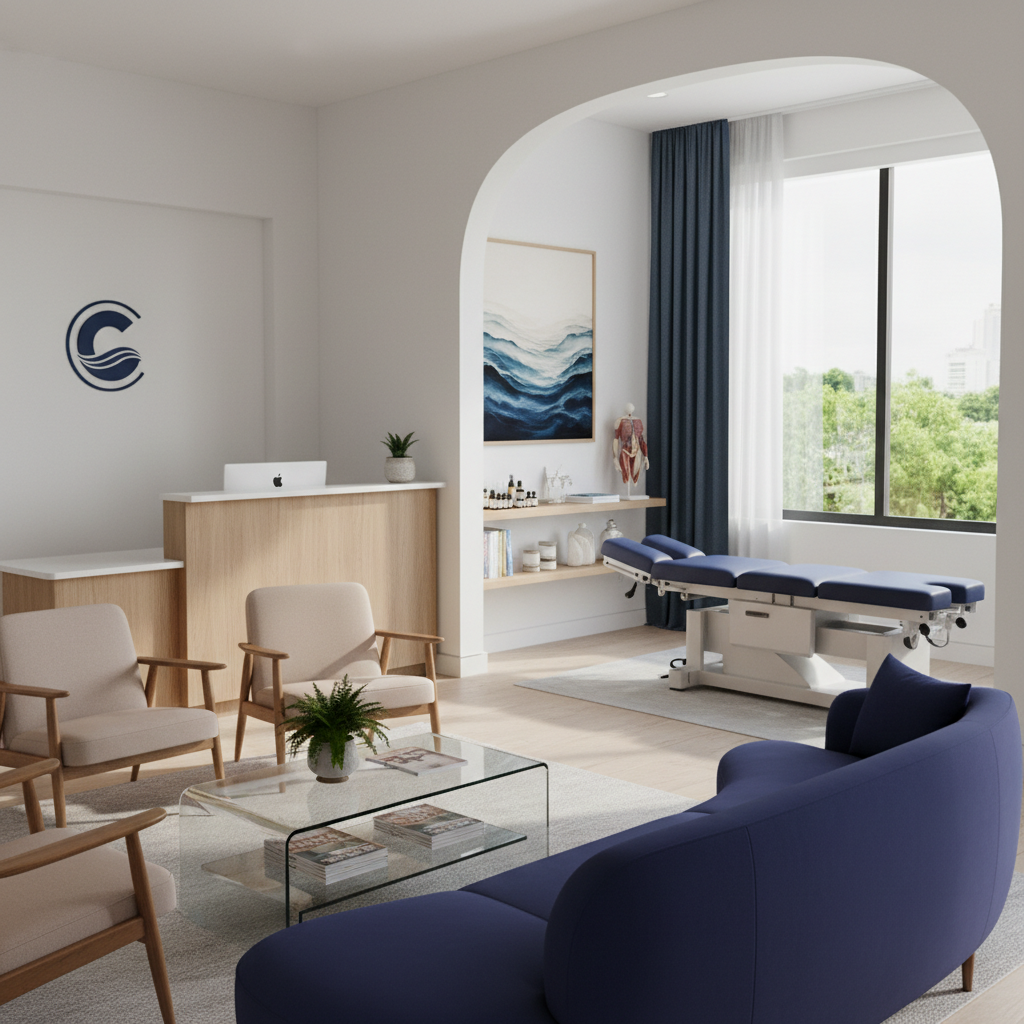
Every week, patients in your area wake up with back pain, neck stiffness, or a headache that won't quit and reach for their phone. They search 'chiropractor near me' or ask an AI assistant who's best. They look at the top results, scan the reviews, and call. The whole decision happens in under two minutes.
If your practice isn't one of the first results they see - with strong reviews, a complete profile, and content that answers their questions - you're losing patients to a competitor who may be less qualified than you but shows up first. This is the complete guide to fixing that.
Why Chiropractic Local Search Is Uniquely Competitive
Chiropractic is one of the most searched local healthcare categories on Google. Every city has multiple practices competing for the same high-intent searches. The barrier to entry for competing in chiropractic search is relatively low - which means the difference between the practice at #1 and the one at #7 is often just execution, not size or budget.
That's good news. It means a single-location practice with the right strategy can consistently outrank larger competitors. It means a new practice can establish Map Pack visibility within 60-90 days of focused effort. The playing field rewards consistency and specificity, not advertising spend.
The New Patient Journey Starts on Google
Understanding how new patients find a chiropractor changes how you market your practice. The journey almost always starts with a search - either a symptom search ('lower back pain relief near me') or a direct category search ('chiropractor near me,' 'best chiropractor St. Louis'). The first result they trust enough to call gets the appointment.
Referrals still matter. But they can't fill a schedule the way they used to, and they can't scale. Search visibility is the channel that brings patients who have never heard of you and turns them into booked appointments. It's the only marketing channel that captures someone at the exact moment they've decided they need help.
The 5-Layer Chiropractic Marketing Framework
Layer 1: Google Business Profile
For a chiropractic practice, the GBP is the single most important marketing asset. It determines whether you appear in the Map Pack - the three results that capture nearly half of all clicks on a local healthcare search. Most patients will see your GBP before they see your website.
An optimized chiropractic GBP includes: 'Chiropractor' as the primary category with relevant secondary categories ('Sports Medicine Clinic,' 'Physical Therapy Clinic,' 'Pain Management Physician' where applicable), a business description that names your conditions treated and patient types served, 20+ real photos of your office and team, all services and conditions listed explicitly, accurate hours with same-day appointment availability noted, and weekly Google Posts.
Layer 2: Review Velocity
New patients searching for a chiropractor are making a trust-heavy decision - they're considering letting someone adjust their spine. Reviews are the primary trust mechanism. A practice with 80 reviews at 4.9 stars will win over a practice with 20 reviews at 5.0 every time, in both ranking and conversion.
The system that works: a text message to every patient after their first visit (or after a successful treatment milestone), with a direct link to your Google review form. Target 8-12 new reviews per month. Google weights recency heavily - steady monthly volume outperforms a one-time surge.
Layer 3: Condition and Service Pages
Your website needs dedicated pages for every condition you treat and every service you offer. Not one generic 'chiropractic services' page - individual pages for 'Lower Back Pain Treatment,' 'Neck Pain Chiropractor,' 'Sciatica Relief,' 'Sports Injury Chiropractic,' 'Headache and Migraine Treatment.' Each page targets the specific symptom search a patient makes when they're in pain and looking for help.
These pages also serve neighborhood searches. 'Chiropractor Webster Groves,' 'Back Pain Treatment Kirkwood,' 'Sports Chiropractor Clayton' - hyper-local pages that rank for the searches most likely to convert because they match exactly what the patient typed.
Layer 4: Answer Engine Optimization (AEO)
Patients increasingly ask AI assistants health and provider questions before they search Google. 'What's the best chiropractor in St. Louis?' 'Can a chiropractor help with sciatica?' 'How many chiropractic sessions do I need for back pain?' These queries are being answered by ChatGPT, Google AI Overviews, and Perplexity.
AEO for chiropractors means building FAQ content structured as direct 40-60 word answers - the length AI engines pull cleanly. It means having clear, factual content about conditions and treatments. It means being cited in the authoritative health directories these engines draw from. Practices that build this content now will be the ones AI recommends by default as this channel matures.
Layer 5: Conversion Optimization
Getting found is only half the battle. A new patient searching for a chiropractor at 9pm on a Tuesday needs to be able to book immediately - or they'll call someone else in the morning. Your website needs online booking (or a clear, frictionless inquiry form), a mobile-first experience, visible phone number on every page, and social proof near every call-to-action.
The Conditions That Drive the Most Chiropractic Searches
Not all chiropractic search terms are created equal. Understanding which conditions drive the highest search volume and highest conversion rate helps you prioritize your content strategy:
- Lower back pain - the highest-volume condition search in chiropractic by a wide margin
- Neck pain and stiffness - second highest volume, often driven by desk workers and phone use
- Sciatica - high urgency, high conversion; patients in significant pain and ready to book
- Headaches and migraines - growing search volume as more patients seek non-pharmaceutical treatment
- Sports injuries - lower volume but high-value patients who tend to become long-term
- Auto accident injuries - high urgency, often requires coordination with insurance or legal
- Pregnancy chiropractic - specialized but loyal patient segment with high lifetime value
What to Measure: New Patient Inquiries, Not Traffic
The only metric that matters for a chiropractic marketing strategy is new patient inquiries - calls, online booking requests, and contact form submissions from people who found you through search. Traffic numbers and ranking reports are inputs, not outcomes. If your marketing partner is reporting impressions and clicks but not booked appointments, they're optimizing for the wrong thing.
Single Location vs. Multi-Location: SEO Considerations
Single-location practices often win faster in local search than multi-location chains because they can concentrate all their authority signals - GBP, reviews, content, citations - on one location. The competition in most local chiropractic markets is other single-location practices, not national chains. Consistency and specificity win over size.
Related Reading
Want a free new-patient visibility audit for your practice? We'll show you exactly where patients are choosing competitors - and how to win them instead.
Talk to LeadValets
Keep Reading
Related Articles
Fastest Way to Rank in New Service Area: 7 Steps
The fastest way to rank in a new service area is to strengthen local relevance and trust before expanding your reach. Learn how to target the new city, optimize your local presence, and build credible local signals.
HVAC Rank Multiple Suburbs From One Office
An HVAC company can HVAC rank multiple suburbs from one office by building useful location pages for each service area and strengthening local signals. Keep business details consistent, earn genuine reviews, and avoid creating thin or duplicate pages.

LeadValets Named Best Search-Led Lead Generation Agency 2026 — USA by Acquisition International
LeadValets has been named Best Search-Led Lead Generation Agency 2026 - USA by Acquisition International in the inaugural LeadGen and Sales Performance Awards, recognizing the firm's exclusive, search-driven approach to producing qualified calls for home service businesses.